
Enough With the Culture Wars – Let’s Fix Portland’s Real Problems
Turning down the temperature on culture wars isn’t ignoring problems – it’s redirecting our heat toward the real barriers that keep Portland from thriving.
Portlanders in neighborhoods like Parkrose don’t need to be told the city has a problem – we smell the burnt foil on the sidewalks and step around the tents every day. Downtown feels like “dealer central,” and even coffee‑shop workers say there’s no point calling police because officers only respond “if there’s blood”. In June 2023, the Portland Police Bureau took an average of 21 minutes to reach high‑priority 911 calls truthout.org. Officers are overwhelmed; mental‑health‑related calls are routed to Street Response teams when possible, yet Portland police still used force on 880 people in mental‑health crises between 2017 and 2024, capitalbnews.org, and 22 people with mental illnesses were killed by police between 2004 and 2019. Fentanyl overdose deaths in Multnomah County jumped 533 % between 2018 and 2022, leading the city, county, and state to declare a 90‑day emergency in January. But the declaration created a “command center” without any new fundin,g opb.org; in other words, the same people are being asked to do more with less.
Those numbers are scary, but they only scratch the surface of why Portland feels so broken. The truth is that fentanyl hit our streets in the middle of an unprecedented housing crisis truthout.org. Oregon now has the highest rate of chronic homelessness in the nation, and state analysts estimate we are short by roughly 140 000 homes. Long wait‑lists and underfunded housing programs force people to live outdoors for far longer than anticipated. Decades of tearing down single‑room‑occupancy hotels, cutting federal housing programs, and closing state psychiatric hospitals without building community‑based care have left thousands of Oregonians with nowhere to go. Urban‑planning professor Marisa Zapata sums it up bluntly: “Escalation of housing values and rising rents is what causes homelessness” . Personal challenges like addiction, mental illness, or job loss push people over the edge only when they are already teetering on housing insecurity opb.org.
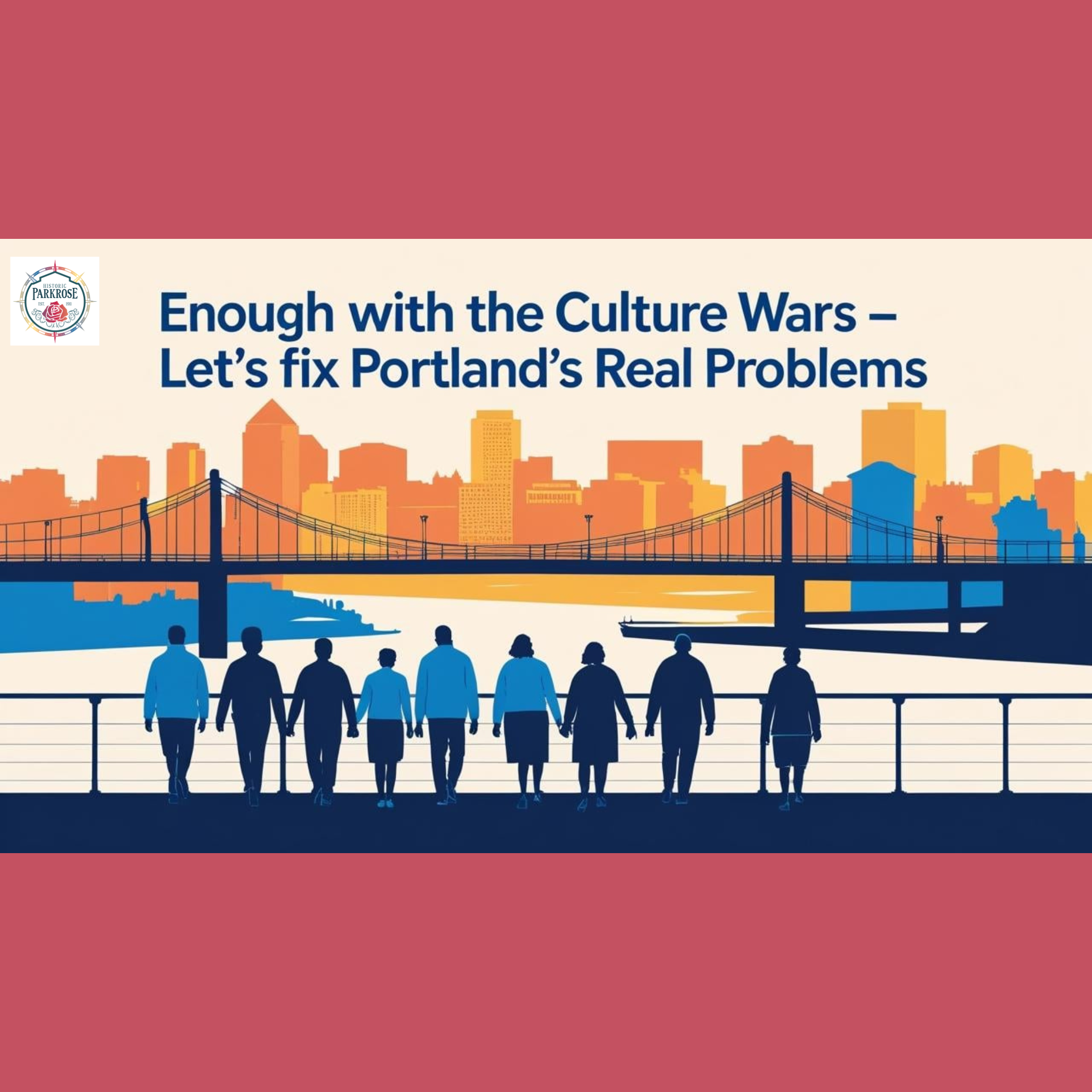
That context makes the culture‑war narrative fall apart. Critics love to blame Measure 110 – which decriminalized possession of small amounts of drugs – for Portland’s woes, but research shows calls for property crime haven’t increased since decriminalization and trends mirror those in Boise, Sacramento, and Seattle. Ninety‑five percent of citations for possession go to Oregon residents, so the notion of drug tourists flocking here is fiction. The sole predictor of homelessness is how rent‑burdened people are . When people have no alternative, they use drugs in public; safe consumption sites and low‑barrier treatment could get drug use out of view while connecting people to services, yet the same voices complaining about open‑air use oppose those solutions. Criminalization won’t magically produce housing or treatment beds; despite arresting more people for drugs than any other nation, the U.S. still loses record numbers to overdose truthout.org.
Meanwhile, Portland has become a stage set for national culture wars. Far‑right groups and anti‑fascists regularly clash in our streets, turning the city into a proxy for ideological battles abcnews.go.com. White‑supremacist groups have long targeted Oregon, and recent rallies are designed to provoke fights and then plaster the footage online as propaganda abcnews.go.comabcnews.go.com. It’s easy to get sucked into those fights on social media, but they distract us from working on the boring, structural problems that actually fix things – like zoning for more housing, raising wages and fully funding mental‑health care.
As one northwest Portland resident wrote to the Portland Tribune, “The constant drumbeat of negativity from national, local and social media no longer reflects the reality on the ground” portlandtribune.com. She urges us to stop letting culture‑war narratives scare us away from our own downtown portlandtribune.com. She’s right. When we stay home, we let extremists write our story and we abandon the small businesses and neighbors who kept the lights on through the worst years. The motto on the Skidmore Fountain – “Good citizens are the riches of a city” portlandtribune.com – isn’t just quaint art; it’s instruction. Getting involved with neighborhood associations, supporting local businesses, volunteering at shelters, and attending city council meetings are all ways to reclaim our city from fear and division.
There are encouraging signs. Local organizations like Historic Parkrose, Division Midway Alliance, the Native American Youth and Family Center (NAYA), the Jade District and the St. Johns Center for Opportunity have begun sharing resources and collaborating on greening projects and safety initiatives. Such partnerships show how much we can accomplish when we stop viewing each other as enemies and start treating each other as neighbors. Solving the housing and addiction crises will require sustained investment and policy changes at the state and federal levels, but on the ground it begins with us refusing to be pawns in someone else’s culture war.
So here’s a modest proposal: instead of fighting about “wokeness” or “lawlessness,” let’s fight for more housing vouchers, more detox beds and more park clean‑ups. Let’s hold our leaders accountable for building the 140 000 homes Oregon needs opb.org, fund Street Response teams so police can focus on violent crime, and lobby Salem and Washington, D.C. for robust mental‑health funding. Buy a coffee at a local café, and support organizations that are doing the slow, unglamorous work of building community. Turning down the temperature on culture wars isn’t ignoring problems – it’s redirecting our heat toward the real barriers that keep Portland from thriving.
