
Parkrose Forward
Parkrose Forward ESD
〰️
Parkrose Forward ESD 〰️
How a Community Decided to Take Control of Its Future
There’s a moment in every neighborhood when people stop waiting.
Not because things suddenly get worse—although sometimes they do.
But because the same problems keep coming back, no matter how many times you deal with them.
In Parkrose, that moment has been building for a while.
If you talk to business owners—whether along Sandy Boulevard or out in the industrial area—you’ll hear a similar story. They’ve been picking up trash that isn’t theirs. Dealing with safety issues that don’t get resolved fast enough. Spending time and money trying to hold things together, one block at a time.
And still, the next week, it starts again.
That’s not a failure of effort. If anything, it proves how much people here care.
But it does raise a hard question:
What happens when a community that’s been carrying the load decides to stop doing it alone?
It Started with Conversations, Not a Plan
There wasn’t a big launch. No formal announcement.
It started with conversations.
Small ones at first. Coffee meetings. Sidewalk talks. Business owners comparing notes. People asking each other, “Are you dealing with this too?”
Then it grew.
Town halls. Work sessions. Walking tours. Surveys. Long conversations where people didn’t just vent—they started imagining what things could look like if the work was shared instead of isolated.
What became clear, pretty quickly, is that Parkrose isn’t lacking ideas.
It’s lacking a structure to make those ideas consistent.
Something Shifted When People Stepped In
At a certain point, the conversation changed.
It stopped being: “What’s wrong?” And started becoming: “What would we actually build?”
That’s when a group of business owners and property owners stepped up—not to attend meetings, but to shape something real.
A workgroup was formed. Not symbolic. Not advisory in name only. This group started working through the hard parts:
What services actually matter? What’s worth paying for—and what isn’t?
How do you make sure this doesn’t turn into another system that people don’t trust?
How do you make something that works for both a small storefront and a large industrial operation?
Different perspectives. Different stakes. Same underlying goal:
Make Parkrose function better—for the people who are already here.
The Idea Took Shape: Not a Program, a System
Out of that process came something practical.
Not a vision statement. Not a campaign.
A system.
The Parkrose Forward Enhanced Services District.
At its simplest, it’s this:
Instead of businesses solving problems one by one, they invest together and solve them at the district level.
Cleaning doesn’t happen when someone has time—it happens regularly. Issues don’t get passed around—they get tracked and followed up. Advocacy isn’t reactive—it becomes coordinated and persistent.
And maybe most important:
The decisions stay local.
This isn’t about handing control to the City. It’s about showing up to the City with alignment, clarity, and leverage.
Why This Feels Different
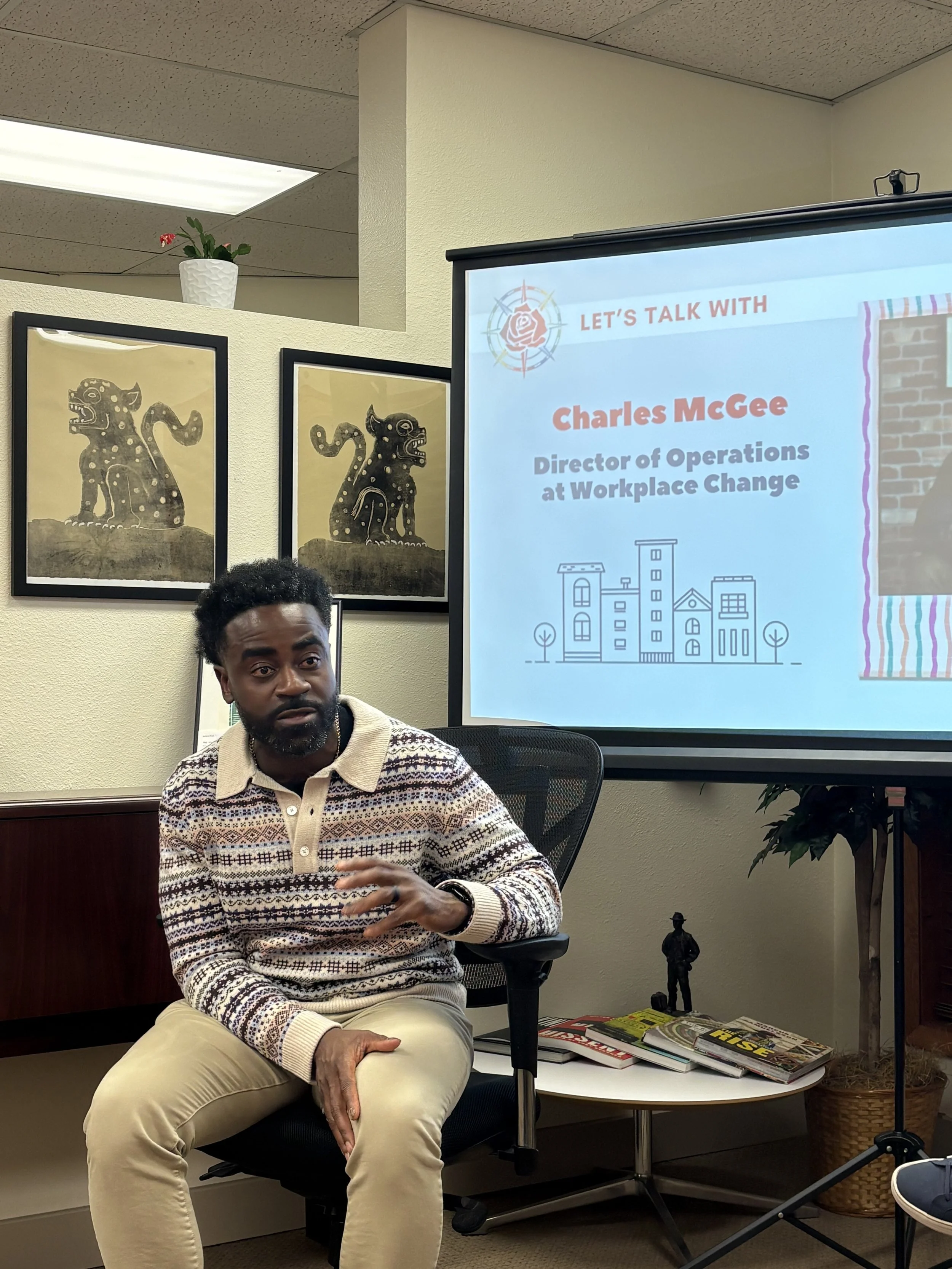
Charles McGee, Parkrose FWD Leadership Group
Parkrose has had plans before. Studies. Reports. Recommendations.
Those matter—but they don’t fix a sidewalk, or clean a block, or change how a place feels day to day.
What’s different here is where this is coming from.
This isn’t being designed for the community. It’s being built by the people who deal with the consequences every day.
And it reflects what Parkrose actually is:
A place where a commercial corridor and an industrial district exist side by side.
Where small businesses and large operations depend on each other more than they realize.
Where diversity isn’t a talking point—it’s daily life.
That complexity doesn’t need to be simplified.
It needs to be organized.
This Is What Self-Governance Looks Like
There’s a word that comes up a lot in these conversations: control.
Not control in the sense of power over others. Control in the sense of being able to shape your own environment.
Right now, too much of what happens in Parkrose feels reactive. Things happen to the community, and people respond as best they can.
What’s being built here is the opposite of that.
A way to say:
We decide what gets prioritized.
We decide how resources are used.
We decide what success looks like.
And we hold it accountable.
Not perfectly. Not overnight.
But collectively.
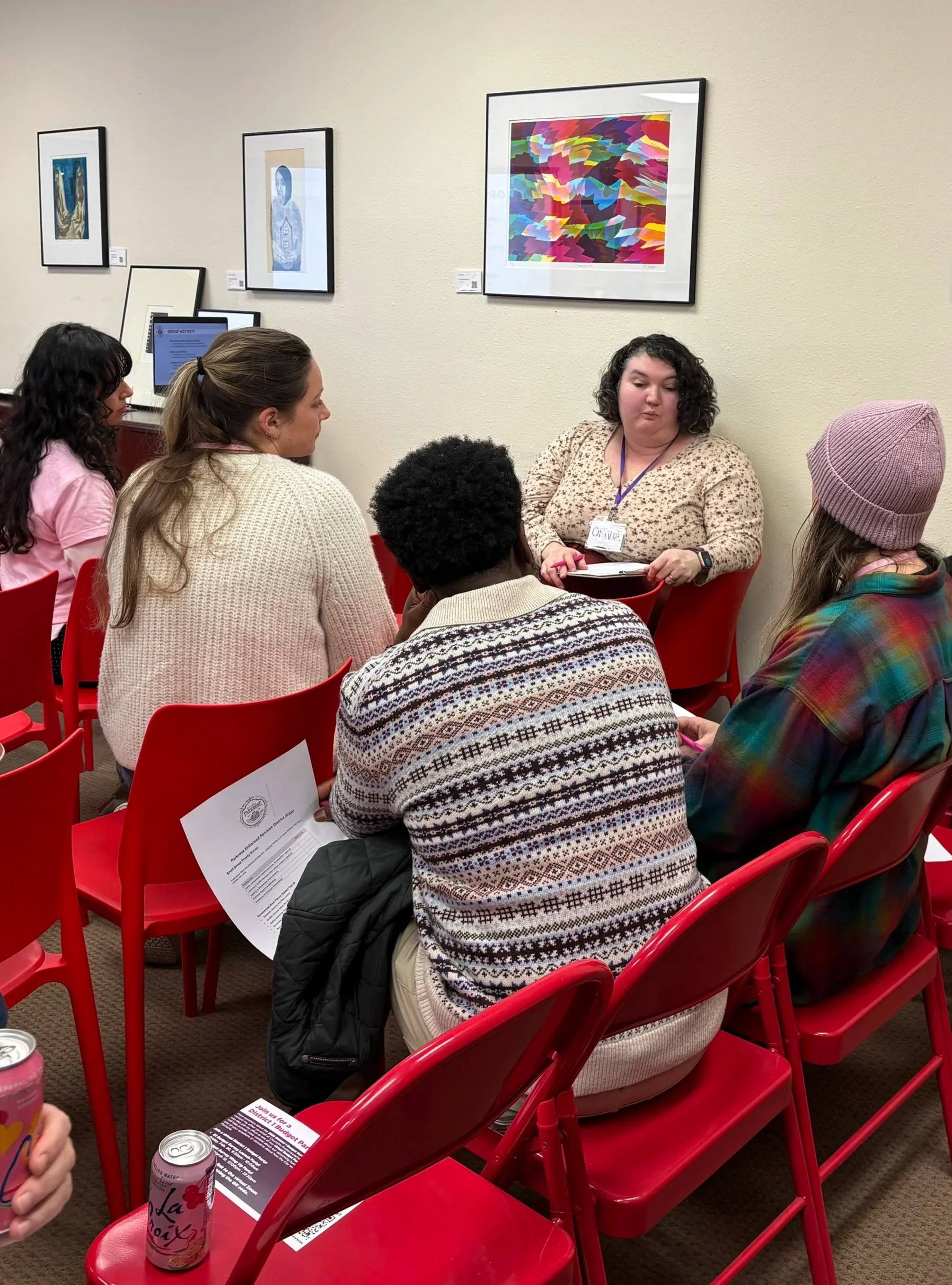
Parkrose Forward Workgroup in action
Where Things Stand Now
A lot of the hard work has already happened.
The conversations.
The disagreements.
The shaping of services, priorities, and structure.
This didn’t come out of nowhere—it came out of months of showing up, listening, and building something piece by piece.
Now it’s at a different stage.
Not just building the idea—
but building the support behind it.
What Comes Next
This is the part that can’t be done by a small group.
If this is going to work, it has to belong to the broader Parkrose community.
That means more conversations.
More questions.
More clarity about what this is—and what it isn’t.
It means people deciding whether they want to keep doing this individually, or try something collective.
Because at the end of the day, that’s the real choice:
Keep managing the same problems, over and over—
or try building something that changes the pattern.
